How to Test Drive an EV: A Minute-by-Minute Script for Your First Hour
A 15-minute loop around the dealership tells you almost nothing about living with an electric car. Book an hour, drive your own commute, and spend the time on the things that differ from a gas car: regenerative braking, charging, efficiency, and the software. Here is how to use each block of that hour.

Before you go, three phone calls’ worth of prep:
- Book an hour, not a slot. Ask for a car charged above 70% so you are not cut short. Ask whether the brand does extended or overnight test drives; several do.
- Plan a route that copies your commute: some stop-and-go, one highway on-ramp, and if possible the steepest hill you drive regularly. Load it into your own phone before you arrive.
- Bring your phone cable and your real parking situation in your head. Know which side of the car would face the outlet in your garage or the charger at your apartment.
Then run the hour like this.
Minutes 0–5: Walk around before you get in
- Find the charge port. Front, rear, driver’s side, passenger side? Picture your parking spot. A port on the wrong side can mean a longer cable or awkward parking every night.
- Open the frunk and trunk. EVs vary widely here, and the frunk on some is a small tray.
- Look at the tires. Note the size and whether they are EV-specific. Tire cost matters more on a heavy car.
- Ask which plug it has. Most 2026 and 2027 EVs have a NACS (Tesla-style) port. Some, like the Fiat 500e, still use CCS1, which changes which fast chargers you can use without an adapter.
Minutes 5–10: Set it up like you own it
- Pair your phone and start the navigation you would actually use. Some EVs, including Teslas and recent GM EVs, do not offer Apple CarPlay or Android Auto. If that matters to you, find out now, not after you sign.
- Find the regenerative braking settings. Most EVs offer several levels, and many have a one-pedal mode that slows the car to a stop when you lift off the accelerator. Ask the salesperson to show you, and set it to the strongest level first.
- Adjust the seat and mirrors, then check rear visibility. Some EVs have small rear windows and rely on cameras.
Minutes 10–25: City driving
This is where an EV feels most different.
- Drive five minutes in strong regen, then five minutes in the lightest setting. Strong regen feels odd at first and natural within a day for most drivers. Decide which you would use, and whether the transition is smooth or jerky.
- Notice the instant torque pulling away from a light. Pay attention to whether you can be smooth with it, especially in rain or with passengers.
- Test low-speed creep and parking. Some EVs creep like an automatic, some do not. Park it once, including in reverse with the camera.
- Listen. Without engine noise you will hear road and wind noise, and any rattles, more clearly.
Minutes 25–40: Highway
- Merge onto the highway at full acceleration once. Most EVs are quick to 60 mph, but passing power at 50–70 mph varies.
- Cruise at your normal speed for at least 10 minutes and watch the efficiency readout, usually shown in miles per kWh. Write the number down. Multiply it by the usable battery size and you have a realistic highway range in today’s weather. Under about 3 mi/kWh at 70 mph is thirsty; 4 or better is efficient.
- Try the driver assistance you would actually use: adaptive cruise and lane centering. Some are smooth, some ping-pong in the lane.
- Check noise at speed. Wind and tire noise are the most common complaint on long EV commutes.
Minutes 40–50: Charging, the part most test drives skip
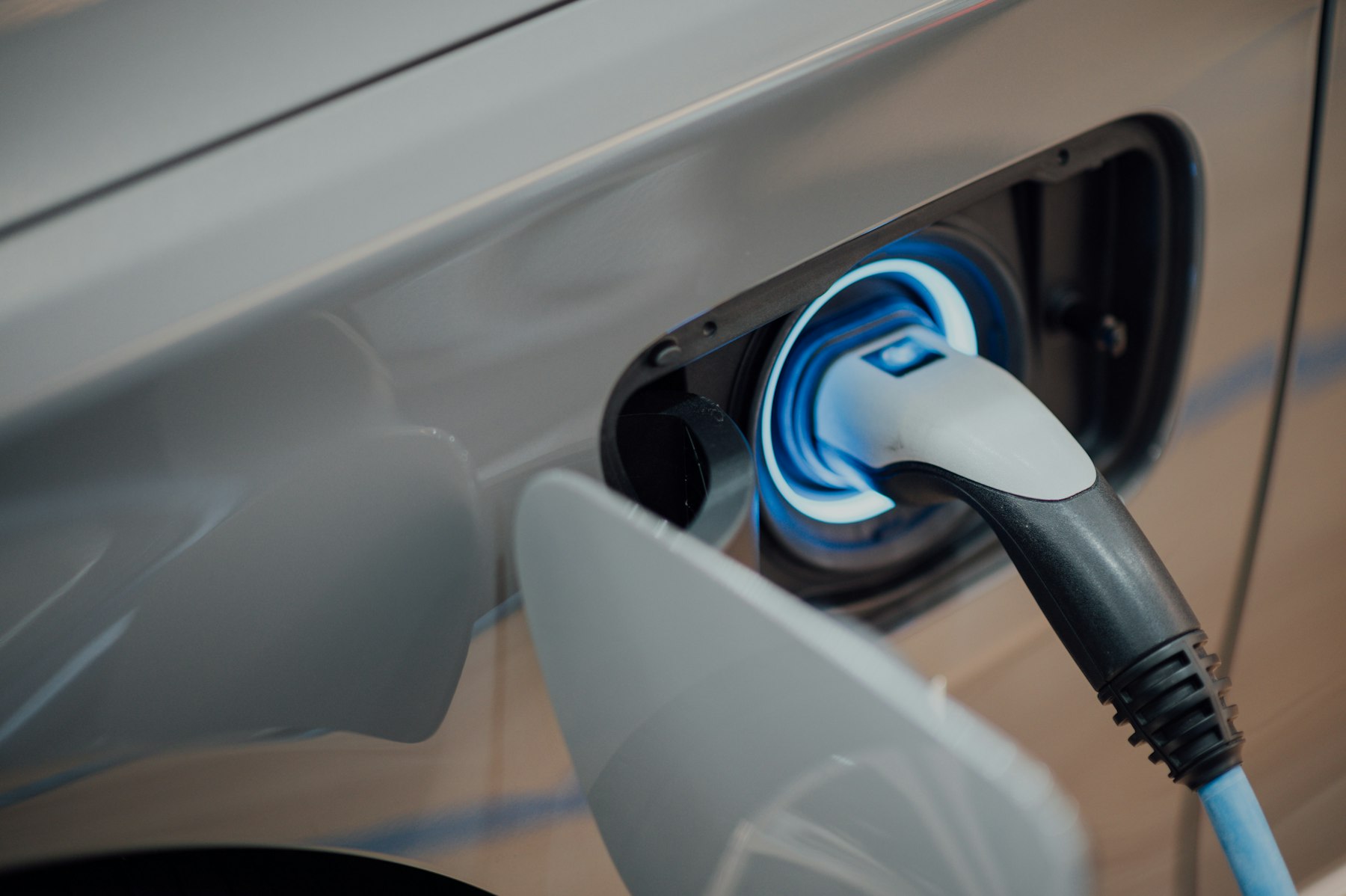
- Ask to plug it in. If the dealer has a fast charger, start a session yourself: find the charger in the car’s navigation, plug in, and see whether it starts by itself or needs an app or card.
- Look at the charging screen. How easy is it to set a charge limit (most owners charge to 80% daily) and a scheduled charging time for off-peak rates?
- Ask what is included. Free charging credits, a home charger offer, or an installation discount can be worth hundreds. Get it in writing.
- Check the brand app on your phone if they will let you link it, especially remote preconditioning and charge scheduling.
Minutes 50–60: The questions to ask before you hand back the key
- What is the battery warranty, in years and miles, and what capacity does it guarantee? Many brands cover the battery for 8 years or 100,000 miles, but the capacity threshold differs.
- Does this trim have a heat pump? It matters in cold climates; see winter range loss by model.
- What is the maximum AC charging speed? It determines whether a Level 2 charger can fill it overnight.
- Where is the nearest service center that works on this model?
- Is this the current model year, and are there incentives or lease deals I am not seeing?
After the drive
Do this within the hour, while it is fresh:
- Write down the mi/kWh figure, the regen setting you preferred, and anything that annoyed you. Small irritations become big ones over 15,000 miles a year.
- Get an insurance quote on the exact VIN; it can swing by more than $1,000 a year between models. See EV insurance myths.
- Check public chargers on your routes with the Alternative Fuels Data Center station locator, especially if you cannot charge at home.
- If you are still unsure, rent the same model for a weekend. It is the cheapest way to learn whether it fits your commute and your parking.
For the full shortlist-to-signature process, see our EV buying checklist for commuters. For background on regenerative braking and EV efficiency, the DOE’s fueleconomy.gov EV technology page is a good primer, and the AFDC explains home charging options.
Written October 2026. Features such as phone integration and charging plans change by model year; confirm on the specific car.
FAQ
How long should an EV test drive be?
Ask for at least an hour, and longer if the dealer or brand offers an overnight or 24-hour test drive. You need time to try regenerative braking settings, drive part of your real commute including highway, and see a charging session.
What should I check on an EV test drive that I would not check on a gas car?
Regenerative braking and one-pedal driving, the efficiency readout in miles per kWh, where the charge port sits relative to where you park, how the car finds and starts a charging session, and whether your phone apps work, since some EVs do not support Apple CarPlay or Android Auto.
Should I test drive an EV at a dealership or through a rental?
Both, if you can. A dealer drive lets you ask questions and compare trims. A one- or two-day rental of the same model is the best way to learn how it fits your commute, charging, and parking before you commit.