BYD Seal vs Hyundai Ioniq 6: Service and Highway Reality
Ioniq 6 is a US retail EV you can insure this week. Seal is a global product comparison for US shoppers 鈥?not a showroom peer. Highway range and service decide more than YouTube 0鈥?0 clips.
Who this guide is for
You are a US highway and suburban shopper who keeps seeing BYD Seal vs Hyundai Ioniq 6 comparisons filmed in Europe, Australia, or other markets where Seal already has retail. You care about real-world interstate range, dealer service latency, and whether the car you admire online can be insured and titled in your state.
This guide is for you if you refuse influencer scoreboards and want an asymmetric framework:
- Ioniq 6 鈥?a US-certified, franchise-retailed EV you can research on Hyundai鈥檚 US site, quote for insurance, and service through a dealer map that already exists.
- Seal 鈥?a competitive global sedan product whose US story is still dominated by trade policy, certification, and the absence of authorized private retail as of 30 Aug 2026.
It is also for you if a broker pitches a 鈥済ray-market Seal at Canadian prices.鈥?Spoiler: for most private US buyers, that path is a compliance and insurance problem, not a shortcut to Ioniq-class ownership.
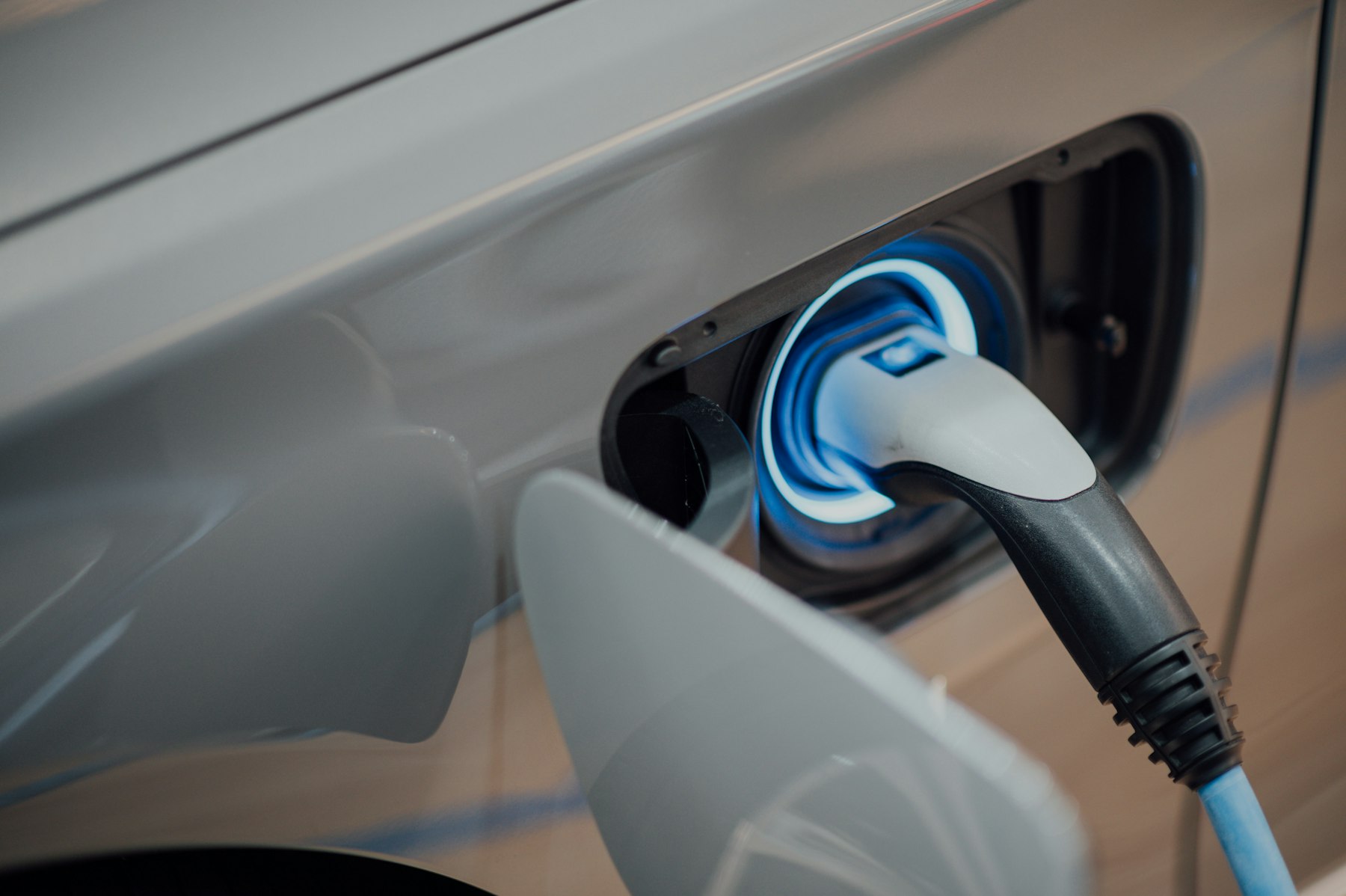
Stock illustration of public/home charging 鈥?not a Seal or Ioniq 6 product shot. Replace with licensed photography before soft launch. Photo: Unsplash.
Specs that matter vs specs that market
Overseas outlets often put Seal and Ioniq 6 in the same 鈥渆fficient aero sedan鈥?bucket: slippery shapes, strong highway manners in those markets, and cabin tech that photographs well. That product framing is fair as product research. It is unfair as a US shopping cart.
What marketing sells
- Peak brochure range (often WLTP abroad)
- 0鈥?0 / 0鈥?00 bragging rights
- Screen size, voice assistant demos, and 鈥淎I cockpit鈥?language
- Overseas sticker prices that ignore US Section 301 stacks and connected-vehicle rules
What US highway ownership actually taxes
- EPA-estimated range you can read on a US window sticker or brand page 鈥?not a WLTP number from another continent
- High-speed derate (75鈥?0 mph cruise + headwind + HVAC) 鈥?same physics for every EV
- Dealer or brand service within a useful radius when a sensor fails on a Tuesday
- Insurance bind on a VIN your carrier recognizes
- Crash-parts lead time after a fender-bender on I-95 or I-5
WLTP and EPA are not interchangeable. WLTP figures used in many Seal reviews abroad tend to look more optimistic than US EPA estimates for comparable aero sedans. When you paste a Seal WLTP number next to an Ioniq 6 EPA number, you are comparing marketing languages, not commute reality. FairRange rule: for US decisions, only treat EPA (or SAE J1634-based US labels) as the comparable starting point 鈥?then derate for your corridor.
A decision lens (not a dyno sheet)
Exact Seal trim numbers vary by market year; Ioniq 6 EPA figures and trim names change with Hyundai鈥檚 US configurator. Re-check HyundaiUSA live. Do not invent Seal US MSRP 鈥?there is no normal authorized US passenger retail price card to invent from.
| Highway factor | Lean Ioniq 6 if鈥? | 鈥淪eal interest鈥?is rational if鈥? |
|---|---|---|
| Buyability | You need a car you can order/register this quarter | You are researching global rivals or watching policy 鈥?not next-month US title |
| Range honesty | You want a US EPA figure you can stress-test against your interstate speed | You are comparing platforms for a later year if US retail appears |
| Service | You can call Hyundai dealers and ask for EV appointment latency | You accept that Seal private service is currently a US hypothetical |
| Insurance | You can get same-week quotes on a US VIN | You are modeling gray-market friction, not European list screenshots |
| Policy risk | You want mainstream lender/insurer comfort | You are tracking tariffs + BIS connected-vehicle rules as a research project |
Hyundai鈥檚 US Ioniq 6 pages remain the correct primary source for US trims, EPA-oriented marketing, and dealer finders. Treat any Seal figure you see online as overseas product context until an authorized US path exists.
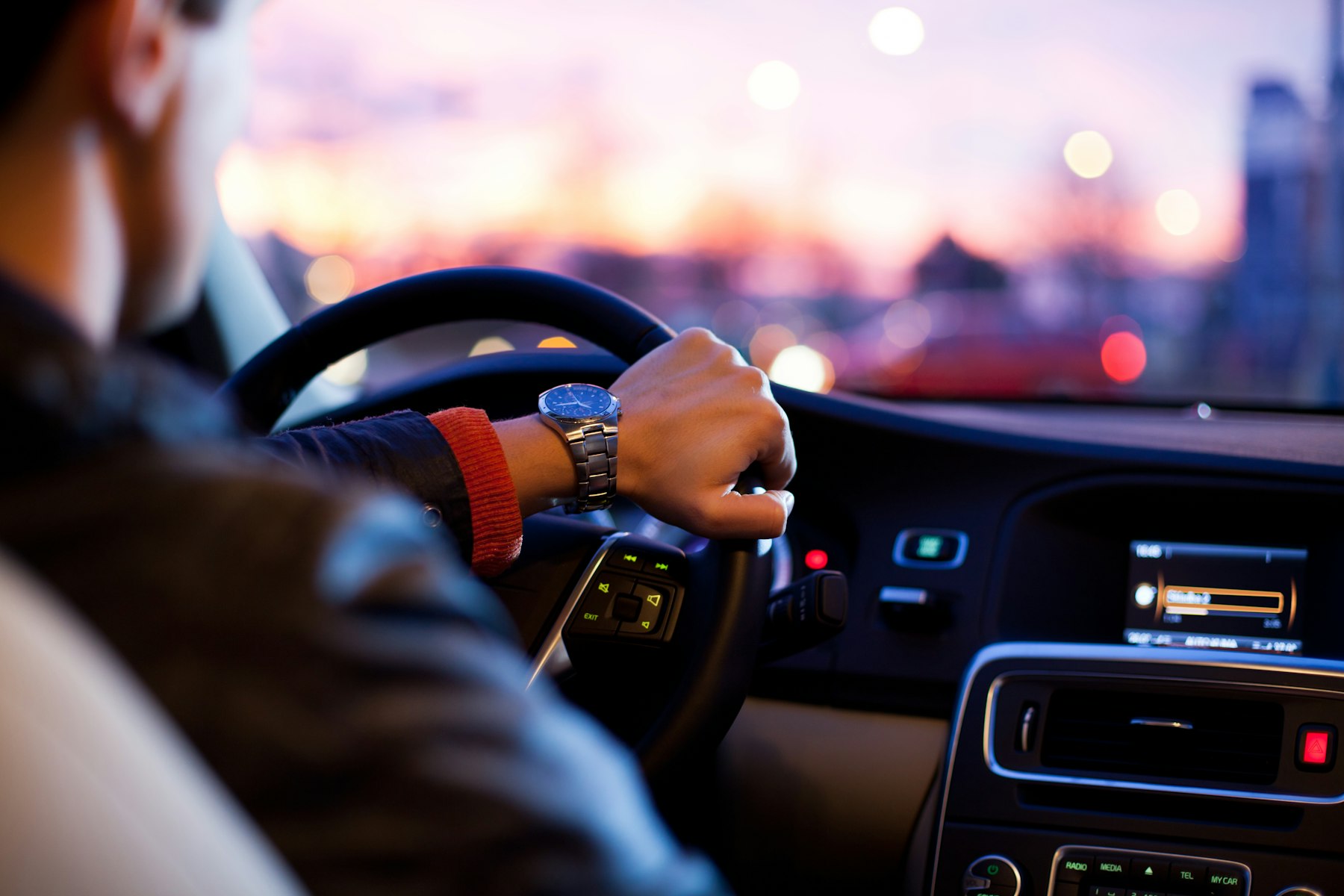
Highway reality is sustained speed and HVAC load 鈥?brochure range is only a starting point. Photo: Unsplash.
Highway range honesty in practice
A useful US process (for Ioniq 6, or any US-certified EV):
- Start from the EPA estimate on the trim you can actually buy.
- Derate 15鈥?0% for winter + 75 mph cruise if that matches your life 鈥?adjust with your own trip logs after purchase.
- Map DC fast-charging density on your top two road-trip corridors (Electrify America / other CCS/NACS access depending on your adapter and year).
- Ignore overseas 鈥淪eal beat Ioniq by X miles鈥?clips unless both cars were tested under the same cycle and ambient conditions 鈥?and even then, those clips do not create US retail.
FairRange does not publish fake instrumented tests. If we have not run both cars on the same US corridor under the same protocol, we will not invent a winner on miles-per-kWh.
US service network reality
Hyundai Ioniq 6
Hyundai鈥檚 US franchise network is imperfect 鈥?EV training quality and loaner availability vary by rooftop 鈥?but it is observable. A US shopper can:
- use HyundaiUSA tools to find dealers
- call two rooftops with the same script (鈥淓V diagnostic appointment, next available?鈥?
- ask local owners which body shops stock Ioniq panels
That observability is part of the product for highway owners. A weird 12V warning or ADAS sensor fault on a road trip is a dealer-network problem, not a YouTube comment problem.
BYD Seal (US private-owner view)
As of 30 Aug 2026, Chinese passenger EVs including Seal are generally not in authorized US retail. BYD鈥檚 visible American footprint remains heavily associated with commercial products in public discussion; that is not a private Seal bumper-to-bumper map.
So 鈥淚 saw a BYD bus depot鈥?or 鈥淐anada is scouting dealers鈥?does not equal 鈥渕y Seal gets warranty service in Phoenix next week.鈥?
Owner homework this week (Ioniq 6 side): call two Hyundai dealers. Record next diagnostic dates, whether they have EV loaners, and whether their preferred body shop will quote an Ioniq 6 bumper. That spreadsheet beats any overseas review.
Owner homework (Seal side): until US retail exists, your 鈥渟ervice test鈥?is really a policy + import risk test 鈥?NHTSA importing guidance, CBP process, insurer written confirmation, and whether any Registered Importer path is documented.
Canada is a different experiment. USA Today coverage of Canada鈥揅hina EV trade openings and Electrek reporting on BYD dealer-scouting plans describe Canadian policy and retail intent. Those stories are useful context. They are not a US FMVSS sticker.
Resale and policy risk
For US shoppers, Seal鈥檚 decisive 鈥渟pec鈥?is not blade-battery marketing copy 鈥?it is trade and connected-vehicle policy.
USTR鈥檚 September 2024 Section 301 modifications determination (Federal Register鈥搒tyle PDF) is a primary document for understanding how China-origin EV duties were hardened in the mid-2020s. Practitioner summaries commonly describe a very large Section 301 layer on China-origin EVs that can erase overseas sticker advantages before freight and compliance are even added. Re-read the primary PDF before trusting a social-media tariff calculator.
Separately, the Commerce Department鈥檚 BIS rulemaking on securing connected vehicle supply chains against foreign-adversary threats 鈥?including the related Federal Register publication 鈥?adds a software/hardware compliance layer that shoppers cannot negotiate away with a clever broker. Even if a tariff number moved tomorrow, connected-vehicle rules and FMVSS conformity would still sit between a China-market Seal and a normal US private title.
NHTSA鈥檚 importing-vehicle guidance and CBP鈥檚 processes exist because cars built for other markets may lack US conformity. Paths involving Registered Importers, bonds, and modifications are specialist territory. For a highway commute buyer, the practical questions are:
| Checkpoint | Pass looks like | Fail looks like |
|---|---|---|
| Retail legality | US-certified inventory / clear conformity | 鈥淲e鈥檒l figure title later鈥? |
| Insurance bind | Written quote on that VIN | Broker silence after VIN check |
| Service | Named dealer/shop + parts ETA | Hope and Discord groups |
| Resale | Thick US used comps | Curiosity listing with wide bid-ask |
Resale intuition
| Hold period | Ioniq 6 (typical US path) | Seal without US retail |
|---|---|---|
| 2鈥? years | Liquidity exists; price still swings with incentives and used EV supply | Exit is speculative until a real US used market exists |
| 6鈥?0 years | More about battery health, software support, and parts | Only rational if you believe US retail + private service will exist mid-hold |
Canadian quota/tariff experiments do not automatically create US auction liquidity for cars that never had American retail volume.
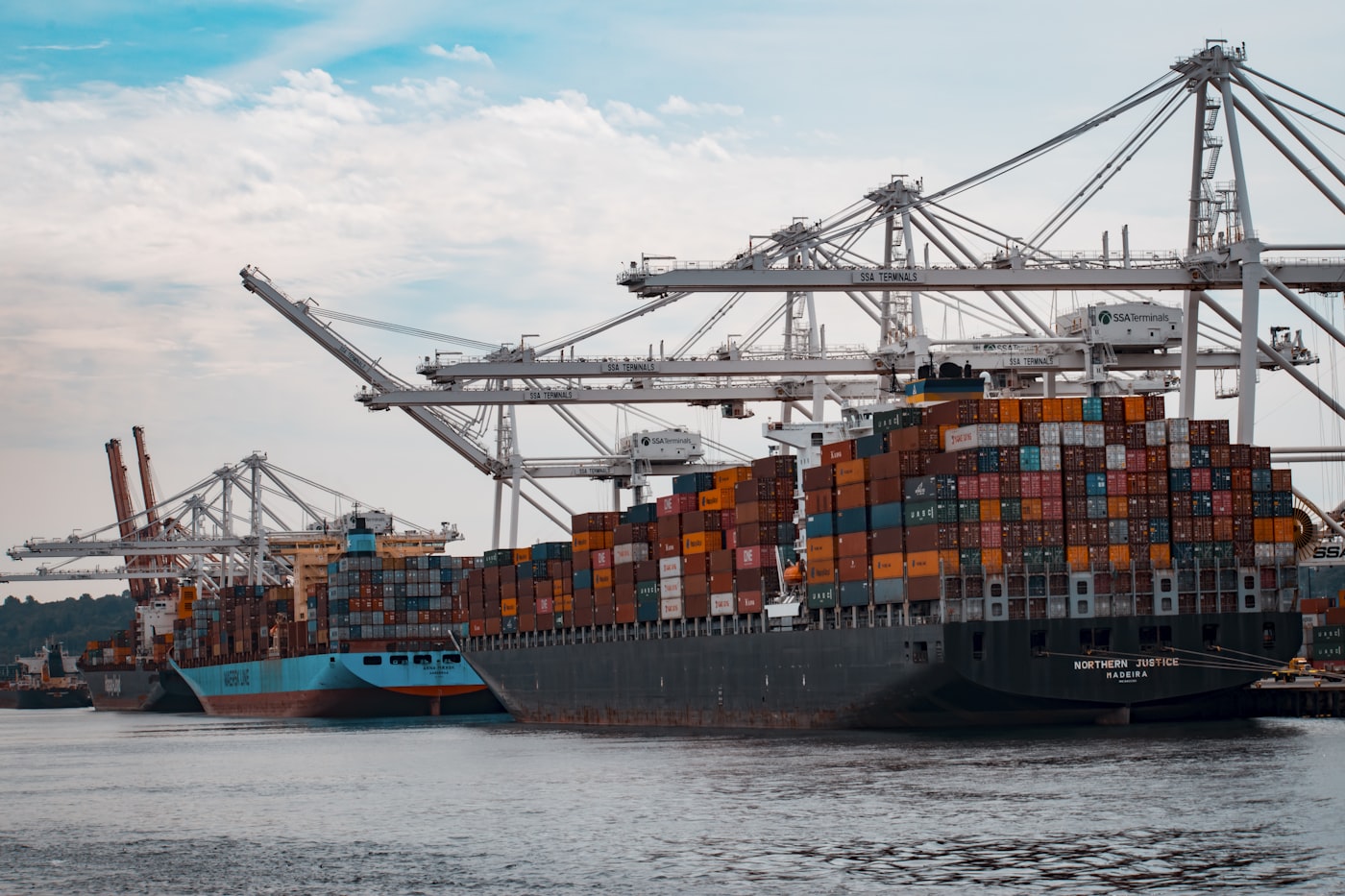
Import economics and conformity 鈥?duties, CBP process, certification 鈥?often dominate overseas MSRP screenshots. Photo: Unsplash.
Verdict
If you need a US highway EV in 2026: Ioniq 6 (or another US-certified sedan/crossover you can insure this week) wins on purchasability. Seal remains research-only for private US buyers unless and until authorized retail, conformity, and a private service map exist.
If you are researching Seal vs Ioniq 6 because of global reviews: treat Seal as a strong overseas aero-sedan rival. Use those reviews for ride/cabin context. Use USTR, BIS/FR, NHTSA, and CBP primary pages for buyability. Do not paste WLTP next to EPA and call it science.
| Decision | FairRange take |
|---|---|
| Buy a US highway EV this year | Prioritize US-certified inventory; Ioniq 6 is a legitimate shortlist item for dealer service observability |
| Watch Seal for future US value | Track Section 301 / connected-vehicle rules + named US retail announcements 鈥?not caf茅 rumors |
| Gray-market or cross-border Seal | Assume high friction unless RI + insurer + lender all say yes in writing |
| Compare range clips from abroad | Treat as entertainment until same-cycle, same-condition US data exists |
This article synthesizes secondary reporting and primary policy documents. It is not an instrumented dyno test, not a dealer invoice, and not legal advice. Re-verify HyundaiUSA figures and current trade rules before money moves.
Sources
- USTR 鈥?Section 301 Modifications Determination (Sept 12, 2024) PDF: https://ustr.gov/sites/default/files/Section%20301%20Modifications%20Determination%20FRN%20%28Sept%2012%202024%29%20%28FINAL%29.pdf
- BIS 鈥?Commerce finalizes rule on connected vehicle supply chains: https://www.bis.gov/press-release/commerce-finalizes-rule-secure-connected-vehicle-supply-chains-foreign-adversary-threats
- Federal Register (GovInfo) 鈥?connected vehicle related publication: https://www.govinfo.gov/content/pkg/FR-2025-01-16/html/2025-00592.htm
- NHTSA 鈥?Importing a vehicle: https://www.nhtsa.gov/importing-vehicle
- CBP: https://www.cbp.gov/
- Hyundai USA 鈥?Ioniq 6: https://www.hyundaiusa.com/us/en/vehicles/ioniq-6
- USA Today 鈥?Canada trade deal / BYD context: https://www.usatoday.com/story/cars/news/2026/01/20/byd-trade-deal-canada/88217293007/
- Electrek 鈥?BYD Canadian dealership plans reporting: https://electrek.co/2026/03/24/byd-plans-20-canadian-dealerships-toronto-first/
Editorial research for FairRange readers. Not financial, legal, insurance, or purchase advice.
FAQ
Can a US buyer purchase a new BYD Seal at an authorized dealership today?
No. As of verification on 30 Aug 2026, Chinese passenger EVs such as the Seal are generally not sold through authorized US retail. Hyundai Ioniq 6 remains a normal US configurator / dealer product.
Why compare Seal and Ioniq 6 if Seal is not on US lots?
Because overseas reviews frame them as sleek, efficient highway sedans. US shoppers need an asymmetric reading: product curiosity versus purchasability, EPA honesty, and a private-owner service map you can call this week.
Does Canada鈥檚 BYD news mean US buyers can drive a Seal home soon?
No. Canadian trade experiments and dealer scouting are not California DMV rules. Cross-border 鈥渂uy in Canada, title in the US鈥?paths still collide with NHTSA/EPA conformity, CBP process, insurance, and US tariff/connected-vehicle policy.
Editorial opinion for research only. Not financial, legal, or purchase advice. Last verified 2026-08-30.